
Katharina Surikow
Special Policy Advisor, Climate Finance and Economics
Kat leads priority work across climate finance and economics, including Treasury engagement, sustainable finance reform, COP31 strategy, and tax and regulatory settings that support Australia’s energy transition.
Kat brings extensive experience in public policy, stakeholder engagement and multilateral forums, with a background in infrastructure and property. She previously served as Chief Corporate Affairs & Communications Officer and G20 Deputy at the Global Infrastructure Hub before its transition to the World Bank, and has also worked in the property sector and in Senator David Pocock’s office.
Contacts
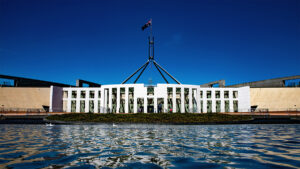
Advocacy Win: Renewables Receive Favourable Tax Treatment
20 August 2026
Government and the Greens agree to progress CGT legislation with an extended transition period for renewables
Safeguard Mechanism Reforms: How to Futureproof Industry
17 August 2026
New modelling by EY shows the lowest-cost, most-efficient settings for the Safeguard Mechanism to guide Australia's industrial base to long term success.Submission: One barrier might come down, but superannuation performance test reforms won’t unlock climate investment on their own
Submission | Katharina Surikow (IGCC) | 19 June 2026
Changing the superannuation performance test is not the single ‘silver bullet’ solution – in and of itself, reform of the performance test may remove a barrier to investment in some asset classes for some investors, but it will not act as an incentive for more investment. IGCC urges the government to consider any proposed changes to the performance test in the context of all other policy changes available to it that could, or seek to, influence investment in net zero.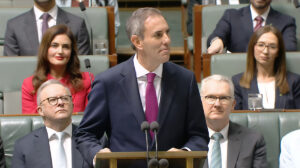
Budget Risks Investment in Clean Energy and Industry
12 May 2026
The budget tabled by the Treasurer tonight is full of mixed messages.Submission: More work needed on the foreign resident capital gains tax regime for renewables
Submission | Katharina Surikow (IGCC) | 24 April 2026
IGCC respects the Government’s intentions to strengthen and provide clarity to the foreign resident CGT regime. However, the draft legislation contains a number of elements that will chill much-needed investment in renewable energy and create undue sovereign risk. More analysis of the economic impact of the proposed changes is required to establish a level playing field for all investors and appropriate transition arrangements that avoid jeopardising Australia’s energy transition.